

In the years since the Hawke government drew negative gearing to a close in June 1985, a great deal of mythology about the era and the impact of its removal has propagated.
Claims of a mass investor exodus driving rents up dramatically are relatively common in some quarters, despite being debunked by hard data and declassified cabinet documents.
Now, as we stand at another negative gearing-related fork in the road, this report is a snapshot of Australia’s rental market before the proposed changes were set to take place, providing a moment frozen in time with which to assess all the future claims about this era and the impact of negative gearing’s limitation to currently held properties being grandfathered in and newly built homes.
According to SQM Research, as of April 2026, the national rental vacancy rate was 1.2%, far below the norms recorded in the decade prior to the pandemic.
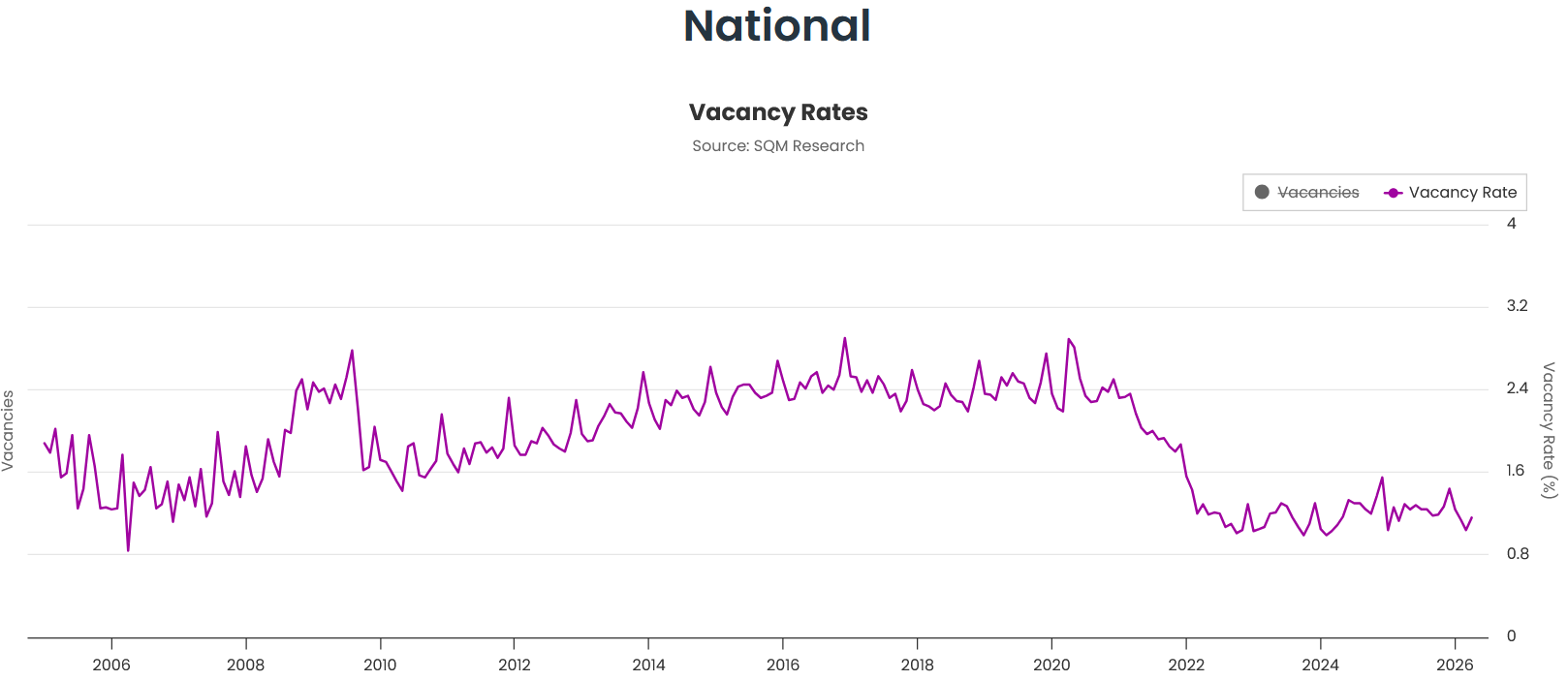
Despite the rental crisis having its origins during the pandemic, high levels of net overseas migration and insufficient levels of home completions to keep up with the growth in demand have ensured that the rental crisis in Australia has continued to persist for years after it drew to a close in other nations.
For example, an April 2026 analysis from the Royal Bank of Canada revealed that the national rental vacancy rate was 2.9%, well over double Australia’s and the highest annual average since 2019.
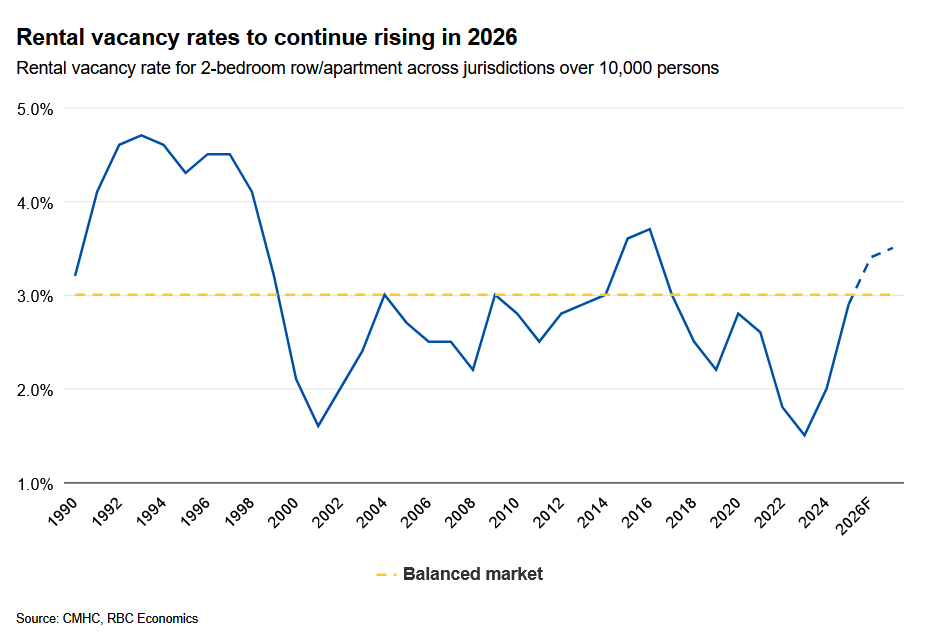
Source: Royal Bank of Canada
In terms of Australian rental growth, we have two snapshots, one from SQM Research and one from Cotality.
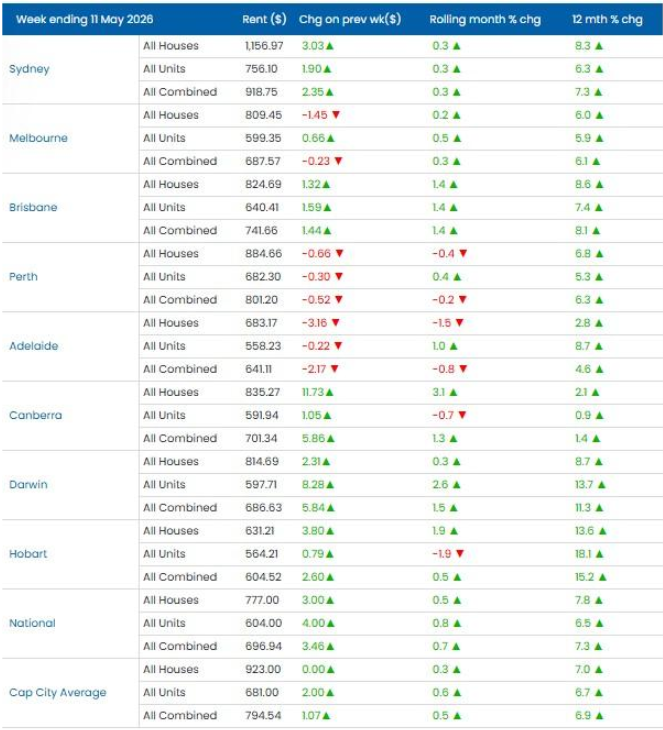
According to the figures from SQM Research, national rents have risen by 7.3% in the past 12 months, with capital city rents up by 7.0%.
Here is the full breakdown of rental growth by locale and property type from the April 2026 SQM Research Rental Report.
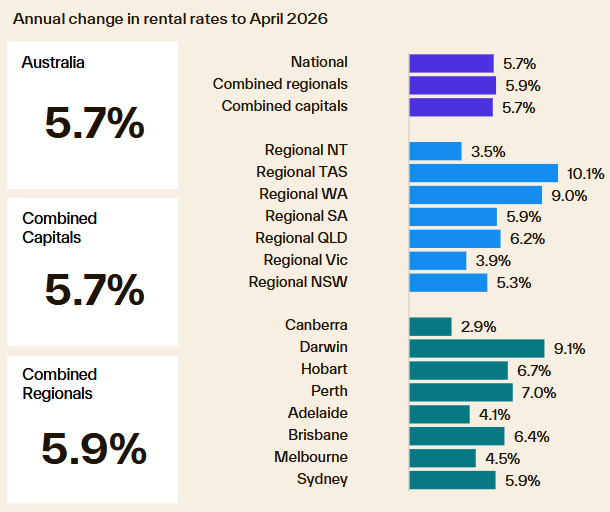
In terms of the Cotality (formerly known as CoreLogic) data, rents are growing at 5.7% and the same rate in the nation’s capital cities.
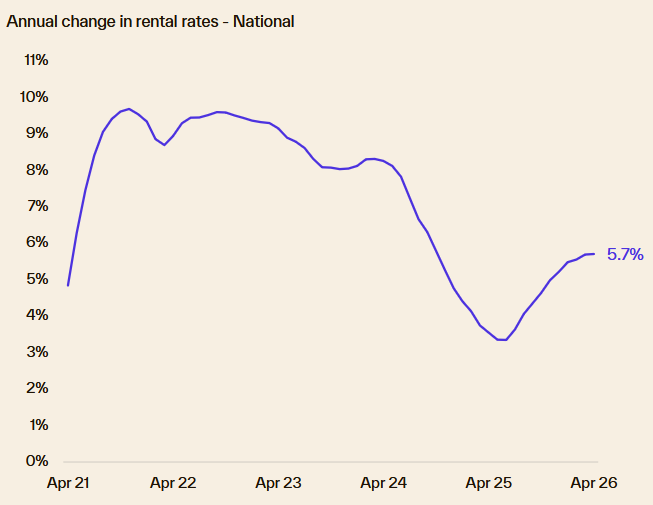
As one might imagine, the performance of locales varies significantly based on local market conditions, as they did back during the last age of negative gearing’s removal.
The Takeaway
In the years and decades to come, one can only imagine what sort of myths and narratives will arise about this era that is now our present.
But what we have here today is a touchstone for those looking back, whether from just a few months from now or much further into the future.
To provide hard data that Australia’s rental market had been deeply broken for over four years and that whatever happens from here came in the midst of what some are calling the longest sustained rental crisis in living memory.
