

As the war in the Middle East continues to rage and escalate, propaganda and false claims are proliferating, proving that the first casualty of war is always the truth.
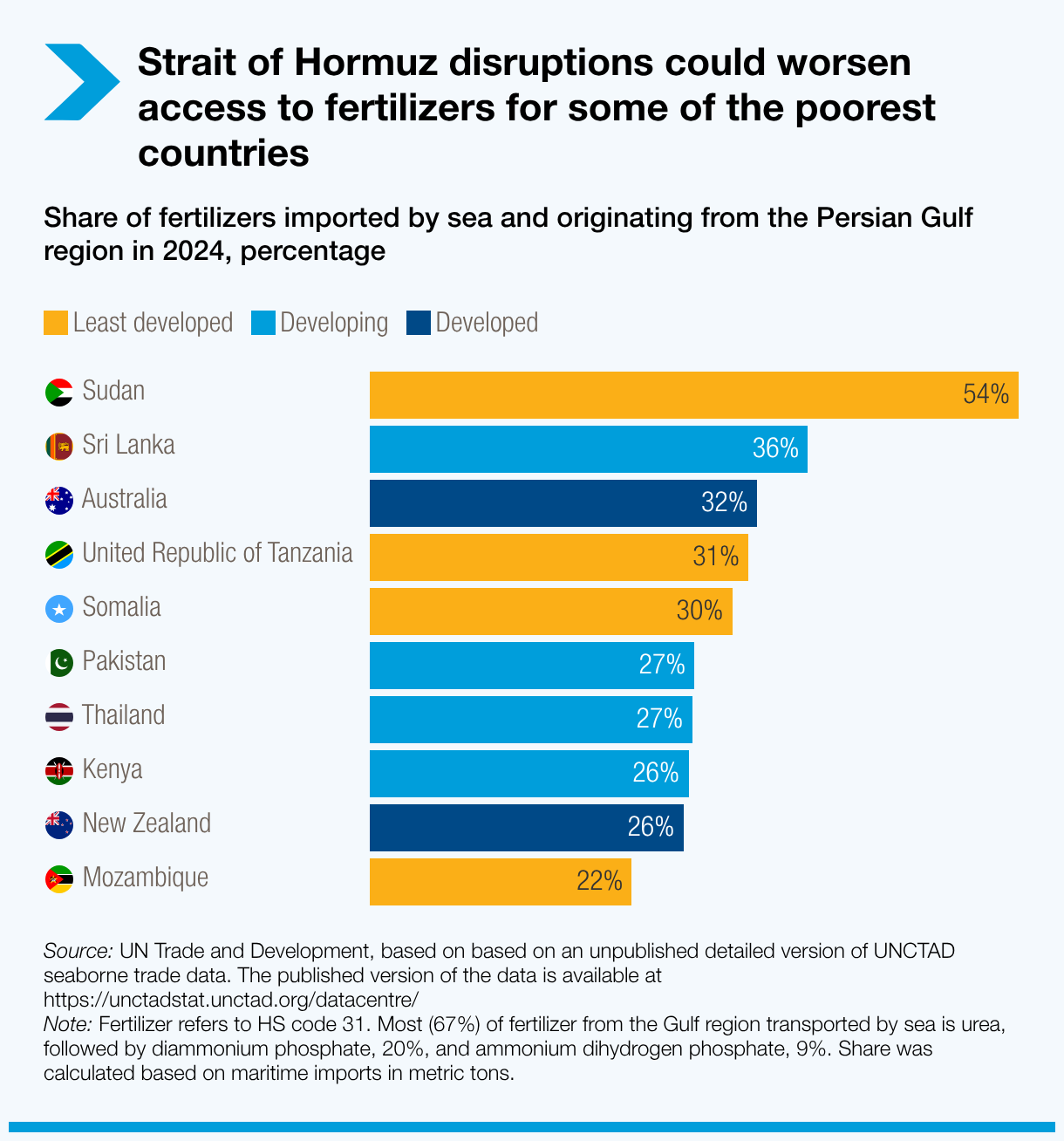
It doesn’t take an expert to understand that the dramatic reduction of inflows of oil, LNG, fertiliser and other vital chemicals through the Strait of Hormuz over a long-term time horizon is a recipe for at best disaster and at worst an economic and humanitarian catastrophe.
So in a lot of ways, it’s unsurprising that some grab every bit of potentially positive news, regardless of its truth or whether it’s just recycled false propaganda.
A relatively frequent example of this in recent days is the idea that X or Y country has made a deal with Tehran for their shipping in particular to be able to pass through the Strait of Hormuz unimpeded. But there is just one rather sizeable problem: it isn’t true.
While it’s certainly true that some transits of the Strait have been organised through diplomatic means, most notably for India, the number of ships being waved through by the Iranian military is a tiny fraction of the pre-war traffic heading through the Persian Gulf to these various nations.
For example, according to reports from Reuters, across Thursday and Friday last week, three Omani tankers, a French-owned containership and a Japanese-owned gas carrier all transited the Strait of Hormuz.
The list of nations Tehran has claimed a “deal” with is growing: Iraq, India, China, Pakistan, Turkey, France, Japan, Russia, the list goes on.
Yet despite claims that Tehran is now only targeting “ships linked to the United States and Israel” and narratives circulating on social media that the Strait is open to all the various aforementioned nations, the reality is that volumes through the Strait remain deeply depressed.
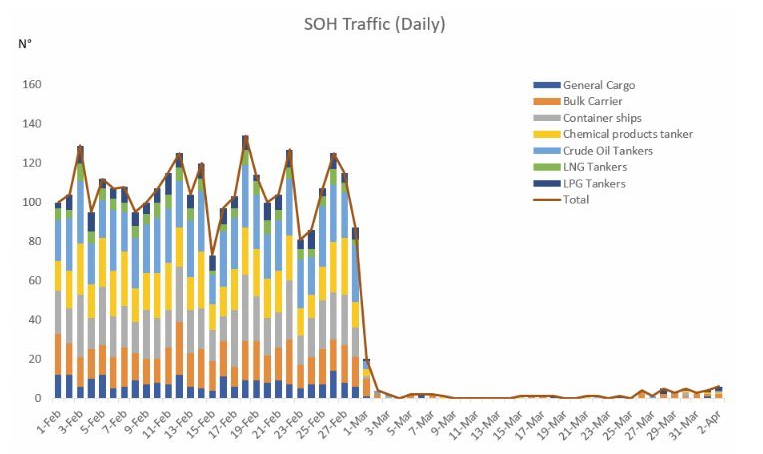
Chart Source: Exante via Bloomberg
Much of the increase in transit has also been driven by the normalisation of Iranian merchant marine traffic through the Strait in the last 10 days or so, with more container ships now resuming their trade routes to and from Iran’s commercial ports.
In short, the idea of nations getting their full volume of normal maritime traffic through the Strait of Hormuz following talks with Tehran is false.
But it goes beyond the propaganda that some out there on social media find so appealing; Iran adopting that strategy would be suicidally stupid.
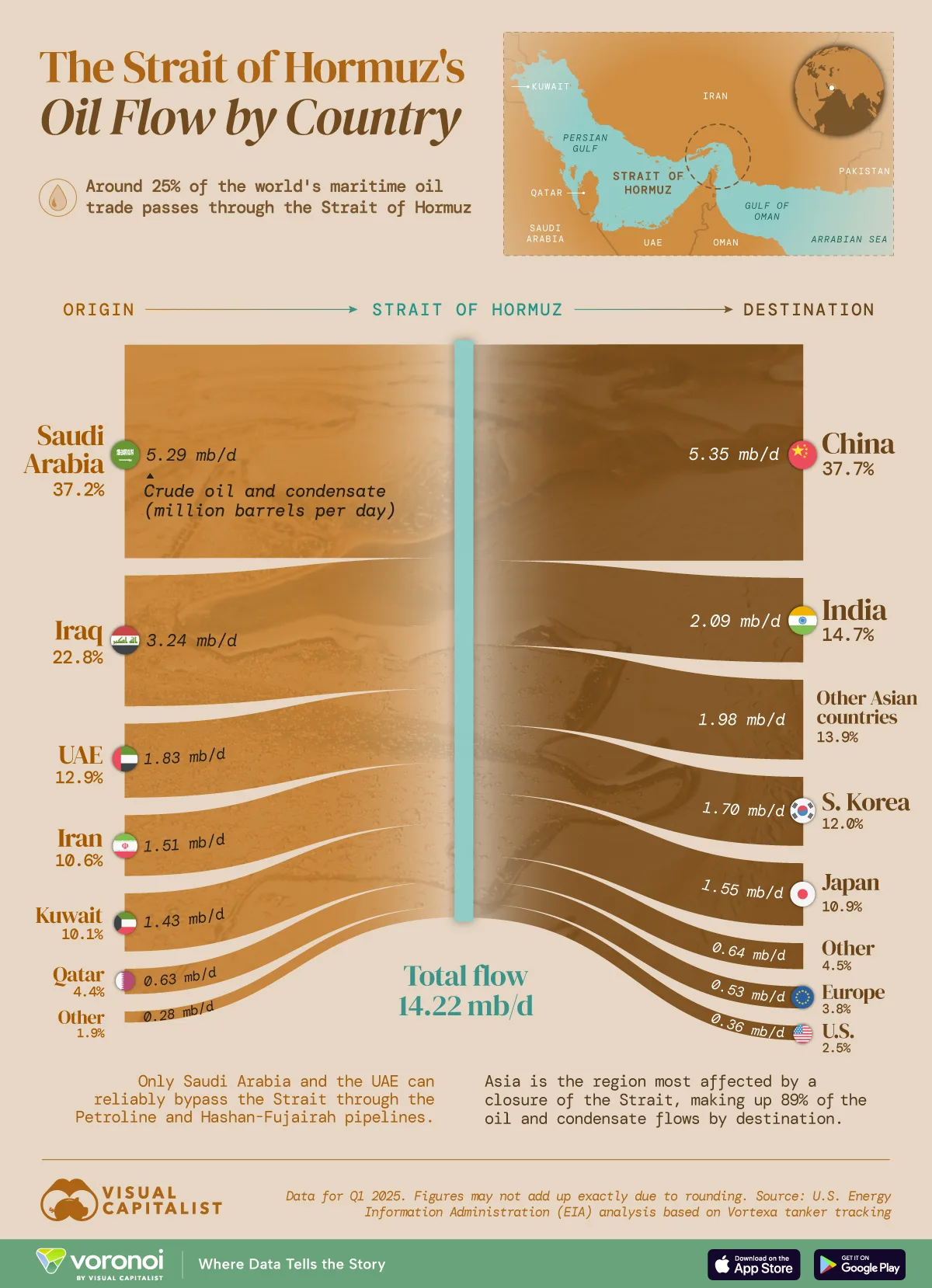
What gives Tehran the only real major leverage it has in this war with regard to its dealings with the United States is its throttling traffic through the Strait of Hormuz.
If Tehran were to decide tomorrow to let through shipments going to all the various countries it had deals with for transits at pre-war volumes, its leverage would be gone and it would have given it all away.
The Iranian government may be many things, but it is apparently not wilfully blind to what is obviously self-defeating.
It is in Tehran’s interest to cooperate where possible, act as an effective highwayman on the Strait, and generate additional revenue, but its influence over shipping in the Persian Gulf has become fundamentally existential for the Iranian regime.
Tehran will eventually loosen its stranglehold on transits through the Strait, but only when it is forced to or feels it is in its interest.
Until then, propaganda and social media noise on the issue will continue to percolate, leading some to inadvertently spread false pro-Iran narratives, even while Tehran’s stranglehold on shipping continues amidst the ongoing conflict.
