The ALP is pretending to care about gas taxes.
Labor backbenchers are lobbying Treasurer Jim Chalmers to extract more tax revenue from gas exporters to sooth voter anger about resource profits, although some now believe the Middle East conflict will scuttle changes that might have been included in the federal budget.
…Multiple Labor MPs told The Australian Financial Review they supported levying higher taxes on gas exporters and were regularly asked by party members and constituents why the government had not acted sooner. Some have urged their cabinet colleagues to act on growing public concern.
That’s not a hard question to answer. The ALP’s gas hippopotamus has plugged the pipe.
Resources Minister Madeleine King said gas companies had invested huge sums of money in LNG projects when asked if she wanted changes to the gas export tax regime.
“To have created this gas industry, which provides most of the domestic gas in this country, those companies had to invest tens of billions of dollars,” she told ABC Radio on Monday.
“This is something we depend on private capital to build out these industries, which is different to what other countries are referred to in this debate sometimes.”
It was a point made by the gas lobby as it released a report on Monday that claimed the windfall tax proposal would make Australia “uninvestible” for new gas projects.
Why have a hippopotamus at all when the gas cartel has pre-branded it?
Here are the instructions from the boss.
An analysis by global consultancy Wood Mackenzie, commissioned by Australian Energy Producers, warns that a 25 per cent tax on Australia’s oil and gas industry would make new projects “uninvestable” at a time when the nation needs to be attracting international capital.
…The report by Wood Mackenzie, provided before its release on Monday, said a new 25 per cent tax would make Australia the least fiscally attractive regime among oil and gas jurisdictions, behind Canada, Nigeria, Indonesia, Malaysia, Norway, Qatar and the United States.
It warned that such a tax would drive away investment by eroding up to 94 per cent of project value, and jeopardise up to 20,000 petajoules of future gas production at a time when domestic shortfalls loom.
Lol, honestly, what a world of lies we live in. Here is the total tax rate on LNG in the aforementioned countries.
- Norway — ~78%
- Nigeria — ~60–85%
- Malaysia — ~60–75%
- Qatar — ~60–70%+
- Indonesia — ~50–70%
- United States — ~40–55%
- Canada — ~30–50%
- Australia — ~20–40% (always lower in practice)
You can argue about equity stakes and whatnot, but this is the basic reality.
Big gas has ravaged Australia. Often with the support of a second gas hippo.
MST Marquee energy analyst Saul Kavonic has closely studied energy tax regimes around the world (including doing some past work on resource policy for the United Nations on the issue). He says while a PRRT is not pretty, which has resulted in some modification through the years, it is working exactly as designed: to get Australia’s high-cost gas out of the ground. Changing it now for short-term budget relief would seriously hurt long-term revenue and destroy Australia’s investment reputation for long-term projects. It would mean less gas coming out of the ground.
Unlike royalties, which extract revenue upfront regardless of profitability, the PRRT is a progressive “super profits” tax. It deliberately allows companies to recover capital costs and achieve required returns before heavy taxation begins. In the early years, deductions are substantial. But once projects mature – typically after 15 years for bigger projects – the effective tax rate surges to as much as 70 per cent.
“It’s specifically designed that way to encourage investment and be less distortionary on investment decisions,” Kavonic says. “Every oil and gas project is different. An inherently marginal project won’t proceed with a high upfront royalty.”
MST serves small gas producers, which will be in jeopardy if certain gas reforms lower prices. Kavonic has been talking his book for over a decade.
The only two arguments against proceeding with a gas tax right now are, first, will it jeopardise a potential fuel swap with Japan and Korea?
If the answer to that question is yes, the debate should be postponed, but only for now.
Second, is the tax well-designed? And the answer is no.
As it is currently proposed, the TAI gas tax will likely raise the cost of gas in the domestic market.
There will be nothing to stop the gas cartel from choking supply and raising prices to pass the tax onto consumers.
Albo’s weak-kneed reservation blather won’t stop it.
Currently, the cartel is resisting the tax, which is keeping gas prices low.
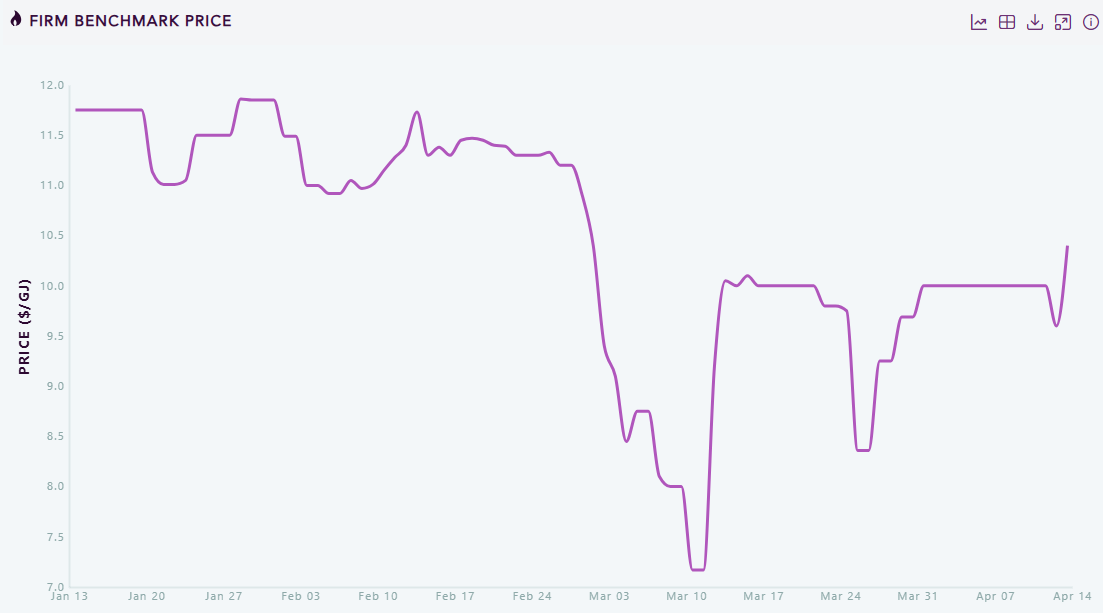
But it will rise if the tax is imposed. This will mean much of the revenue will have to be recycled as bill subsidies, and what’s the point?
A much better idea is an export levy with a fixed price threshold above which all revenue is collected.
Say, anywhere from $ 7 to $10 GJ would do, depending on where you want to set the local price, which will be automatically set by the levy.
We might consider negotiating a sliding tax rate as prices rise further above the threshold, but it’s not necessary.
Gas prints money at $7Gj and will invest in 20% ROIs for so long that it can attract long-term contracts.
Just kick ’em in the nuts and get rich instead.