The latest housing affordability data from Cotality, released earlier this year, showed that both purchase and rental affordability were tracking at record lows.
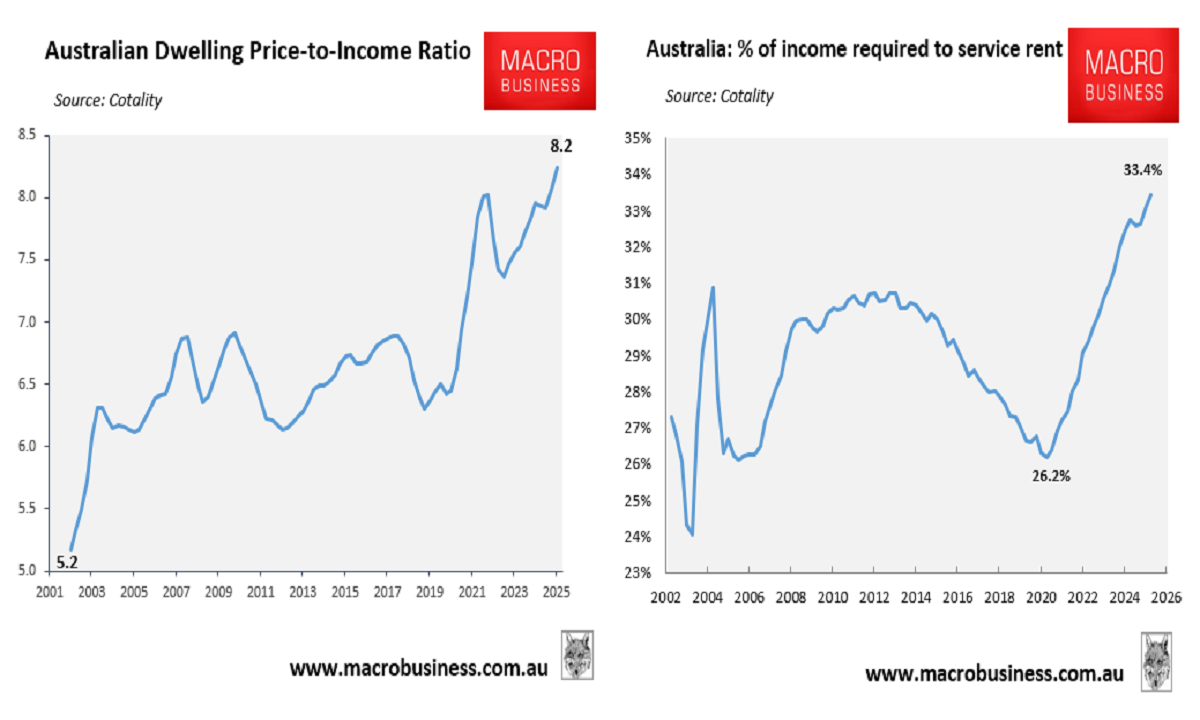
Last week, REA Group released its latest rental affordability report, which showed that affordability hit a record low at the end of 2025 following a 55% rise in median asking rents since the beginning of 2020.
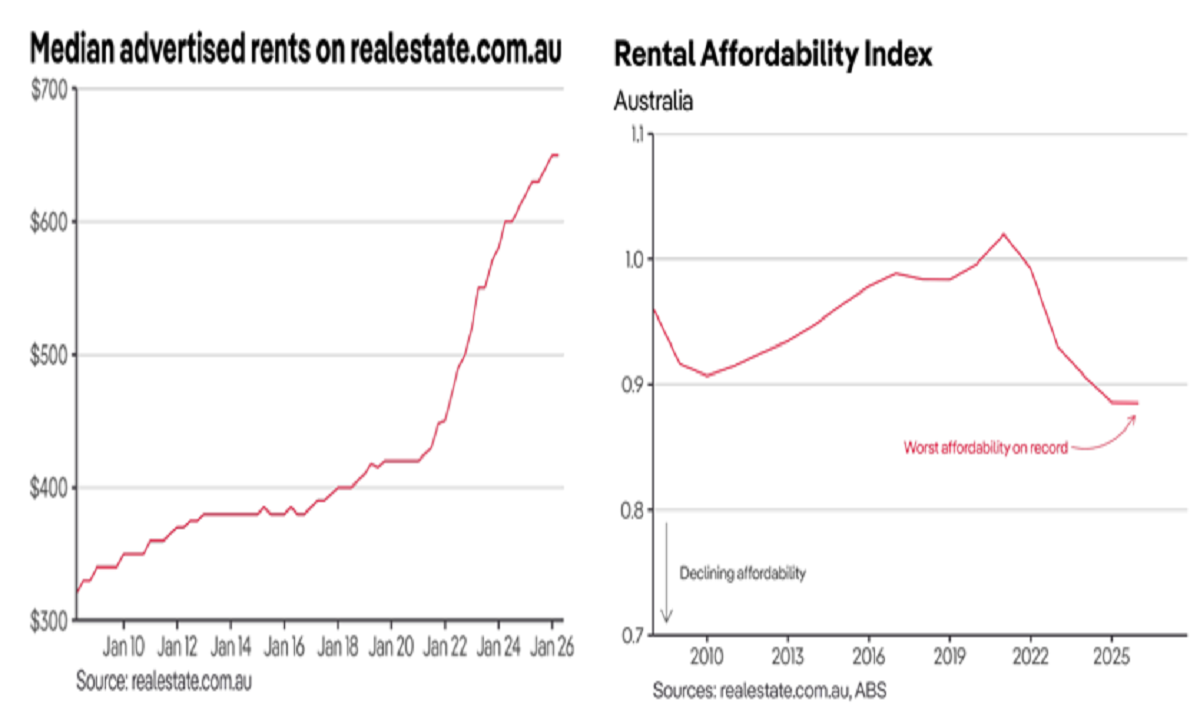
REA Group estimates that the national median weekly advertised rent has increased by $230 since the start of 2020, from $420 to $650 today, adding nearly $12,000 to the annual cost of renting the median home.
Housing affordability to worsen in 2026:
This month, we received data from the ABS showing that net overseas migration (NOM) accelerated in the September quarter of 2025, with 311,000 net migrants arriving over the year.
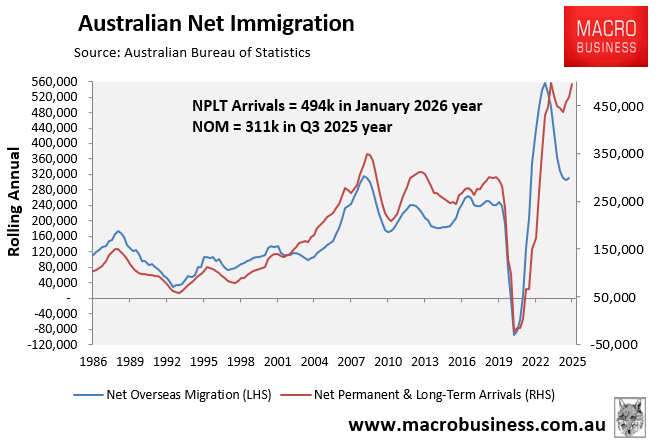
Treasurer Jim Chalmers also confirmed that NOM would be higher than forecast in last year’s budget, with more than 300,000 net migrants expected to land in 2025-26, above the previous forecast of 260,000.
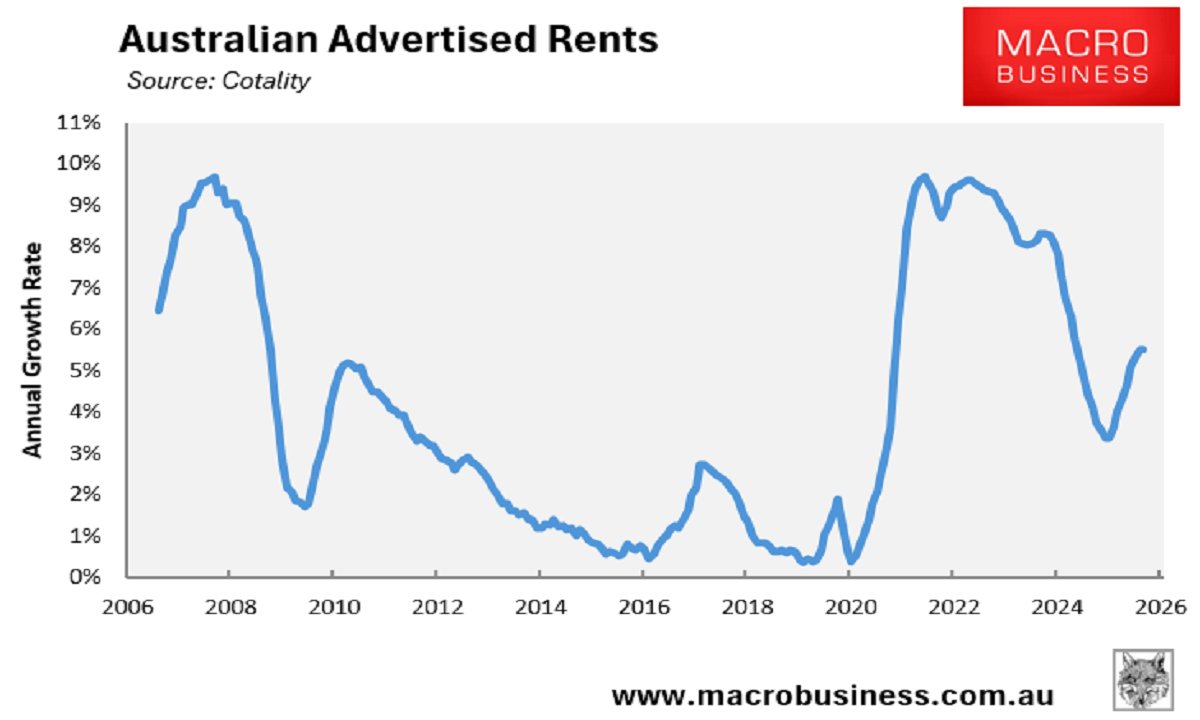
Higher migration will obviously worsen the rental crisis. And Cotality’s advertised rents series has accelerated recently, growing by 5.5% in the year to February, significantly faster than wage growth.
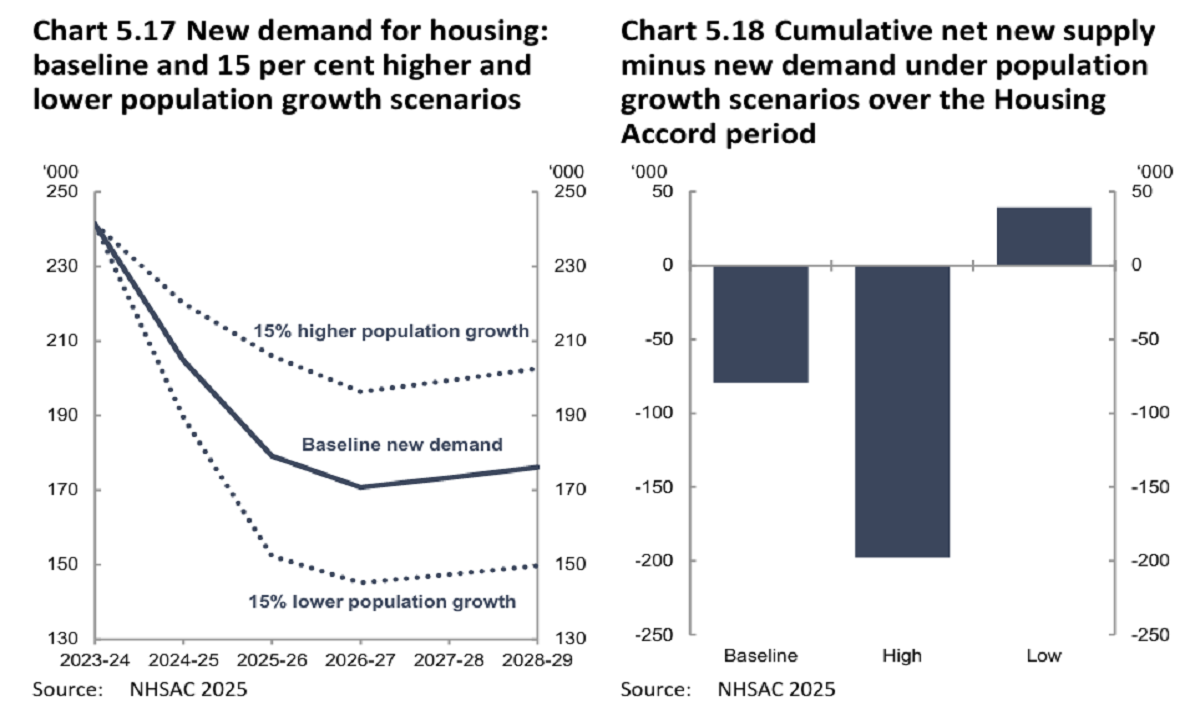
The federal government’s own National Housing Supply and Affordability Council (NHSAC) forecasts that Australia’s housing shortage will worsen by 79,000 over the five years to 2028–29. But this estimate was based on Treasury’s old migration forecasts.
NHSAC also estimated that if the population grows by 15% faster than forecast, which now seems likely given the upgraded migration forecasts flagged by Jim Chalmers, then the housing shortage would worsen by 200,000 over the five years to 2028-29.
Purchase affordability is also set to worsen in 2026, given that the RBA has already delivered back-to-back rate hikes and financial markets are projecting three more rate hikes by the end of 2026.
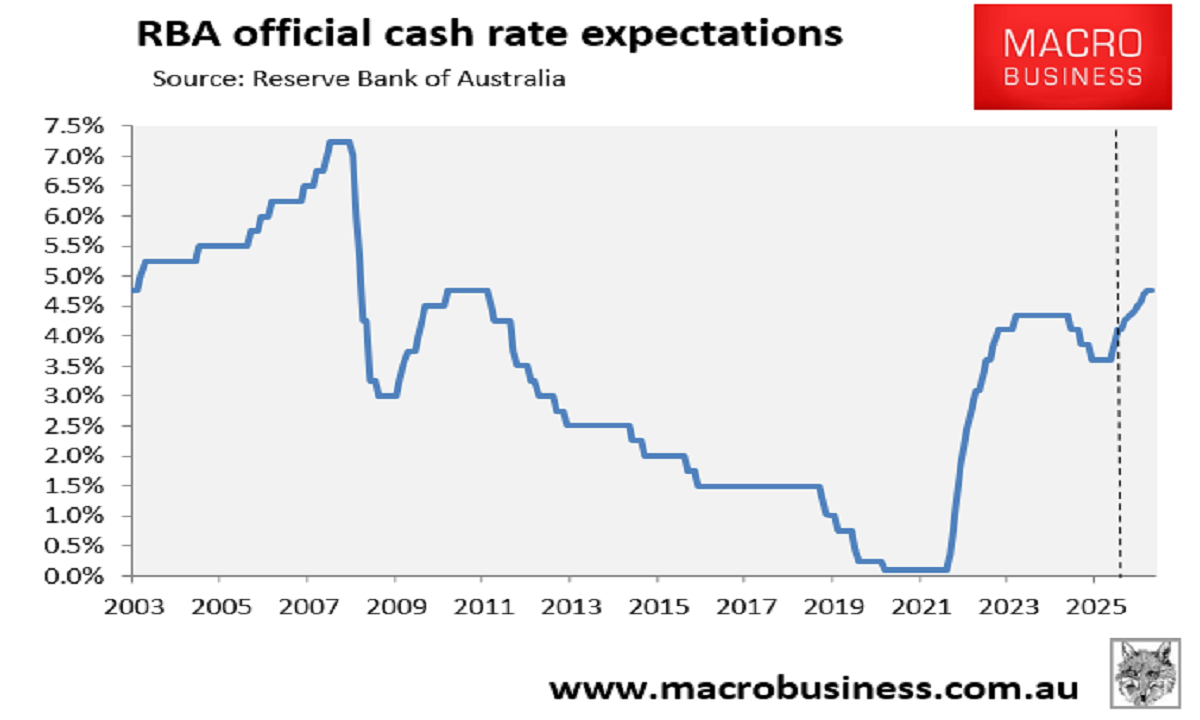
If these forecasts come to fruition, then the official cash rate would have risen by 1.25% this year to an 18-year high of 4.85%.
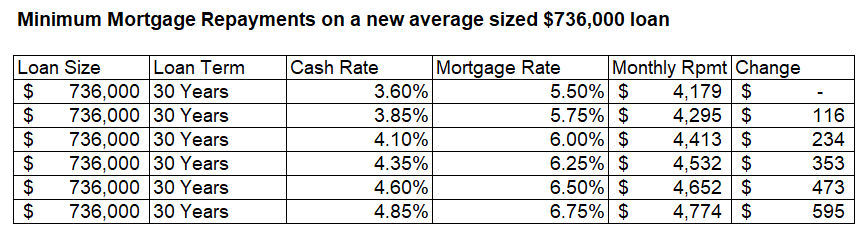
The average discount variable mortgage rates would also have risen from 5.50% to 6.75%, lifting the average mortgage repayment on a new $736,000 mortgage by nearly $600 a month or almost $7,200 a year:
Recent purchasers who took up the Albanese government’s 5% deposit scheme for first home buyers, which came into force on 1 October 2025, will be especially exposed, as they will have stretched themselves financially to enter the market just before the RBA rapidly lifted rates.
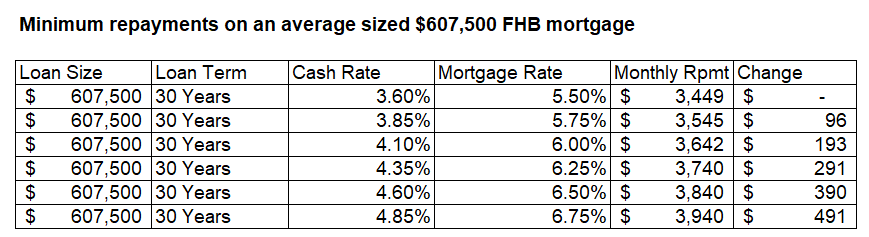
Unfortunately, these first home buyers were enticed into the market by the federal government at the very worst time.
The upshot is that housing is going to get even more unaffordable in 2026, regardless of whether you are seeking to purchase or rent.
The solution:
The single best thing the federal government can do to improve housing affordability is to significantly cut immigration to a level well below the nation’s capacity to build homes.
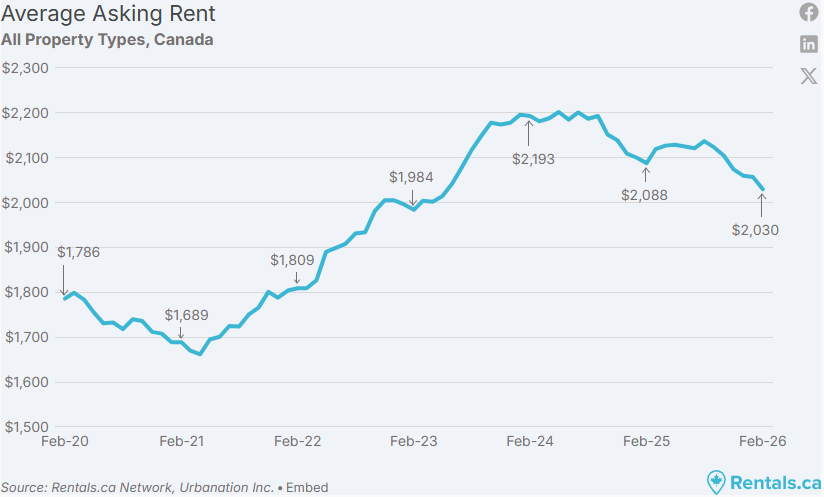
Canada has done precisely that and has seen rents fall for 17 consecutive months, tracking nearly 8% below their 2024 peak, to a 33-month low.
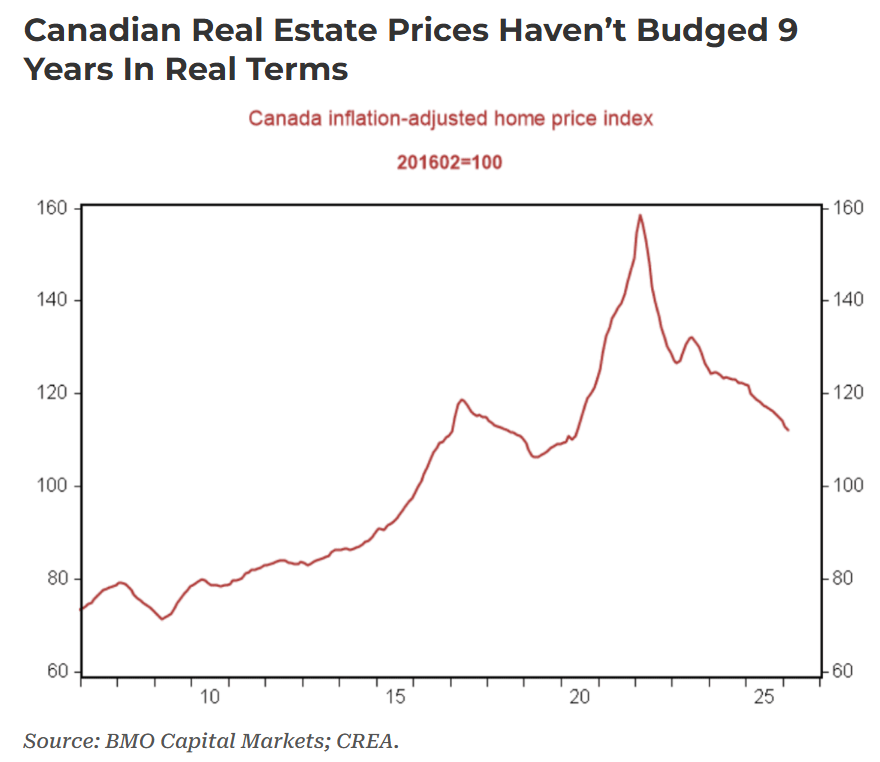
Canadian house prices have also declined.
I discussed these issues in my weekend Treasury of Common Sense on Radio 2GB/4BC: